

After-Hours Prices Are Thin, So Weigh Them Lightly
A price printed after the close is real, in the sense that someone traded there. How much it says about tomorrow depends on how many people were trading and how wide the spread was, and usually the answer to both is not many and quite wide.
The position Extended-hours prices come from a thin market, so read them as one rough data point and trade them, if at all, with limits and smaller size.
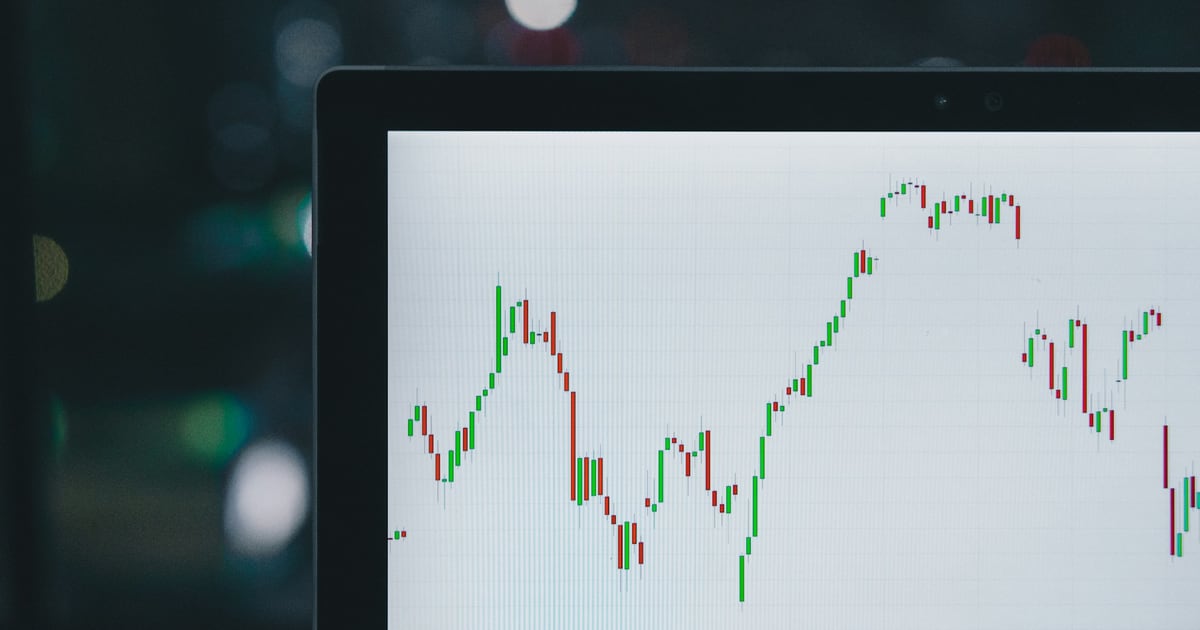
An after-hours price is the price at which a small number of people agreed to trade, in a market most participants have left. Treat it with that much weight and no more.
This matters most on earnings nights. The report lands after the close, the stock prints a big number on the screen within minutes, and the temptation is to read that number as the verdict. Sometimes it is close. Sometimes the regular-session open the next morning sits a long way from it, in either direction, and a trader who acted on the evening print is left holding a position built on a price that barely existed.
Who is still trading after the close
The regular session gathers the most buyers and sellers of the day in one place. Extended-hours sessions run with far fewer. Many institutions do most of their trading in regular hours, market makers may quote less size or step back, and the orders that are present are spread across fewer venues.
Thin participation has predictable effects. Spreads widen. Displayed size shrinks. A single order that would barely register at noon can walk the price through several levels at 7 p.m., because there is so little resting on the book to absorb it.
None of that makes the price false. It makes the price fragile.
One print is one data point
Put numbers on a hypothetical earnings night. Say a stock closes the regular session at 50.00, and at 7 p.m. the last trade shows 44.00, a drop that looks like 12% on your screen.
That “12% drop” sits inside a quote more than a dollar wide. The last trade could have been 100 shares hitting a thin bid. If the ask is 44.60 and the bid is 43.50, the market is telling you only that the stock is probably somewhere in the forties tonight, with very little conviction behind any single number.
Look at the volume behind the move, too. A large after-hours change on a few thousand shares is a much weaker signal than the same change on heavy volume.
The open gets the deciding vote
By the next morning, far more participants have read the report, listened to the call, and placed orders. The opening auction on the listing exchange pulls those orders together into a single price, and that price can land well away from where the evening trade printed. The gap can be smaller, larger or pointing the other way.
Plenty happens in between. The conference call, analyst notes written overnight, the reaction in related stocks and in futures, and a premarket session that is thin in its own way all land between the evening print and the bell, so by the time the stock opens, the price you saw at 7 p.m. is several rounds of information out of date. Most of what moves the open arrived later. See why a stock gaps down overnight for how that opening price forms.
The case for taking the evening price seriously
There is a real argument on the other side. The first reaction to news is information, and the people trading at 7 p.m. after earnings are often the ones paying closest attention, reading the release line by line. Dismissing their prices entirely would be its own mistake. The direction of the after-hours move, if it is on meaningful volume and holds through the evening, is at least a reasonable first guess at how the market is taking the news.
So weigh the price lightly, which is different from ignoring it. Note the direction, note the volume, note the spread, and let those three things together set how much confidence you place in the number.
What your orders can do out there
Extended-hours trading comes with order restrictions, and they differ by broker:
- Many brokers accept only limit orders in extended sessions.
- Stop orders generally do not trigger outside the regular session.
- You may need to mark the order for extended hours through a session or time-in-force setting, or it will simply wait for the open.
The stop point is the one that catches holders out. A stop you placed during the day to protect a position is usually inactive after the close, so a bad earnings print in the evening passes it by, and the stop then meets the open as a market order. The detail is in whether stop orders work in extended hours. Check your own broker’s rules, since this varies.
If you trade it anyway
Some traders have good reasons to act before the open, such as cutting a position they no longer want to carry into a volatile session. If that is you, three rules cover most of the risk:
- Use limit orders, priced where you would genuinely be content to trade.
- Use smaller size than you would in the regular session.
- Check the spread before you read anything into the price.
The spread check comes first for a reason. If the quote is two dollars wide, the last trade tells you almost nothing, and your limit price should come from where you are willing to deal, with the last print treated as background. Even where a broker would take a market order out of hours, avoid it. It fills against whatever the thin book happens to hold.
Where this stops applying: in heavily traded stocks during busy premarket sessions, spreads can tighten considerably and the price becomes more informative. Check the quote. It will tell you which kind of session you are in.
Also asked
- Does my account value update on after-hours prices?
- Some platforms show positions marked to the latest extended-hours trade and some use the regular-session close. Check which one your broker displays before you react to the number.